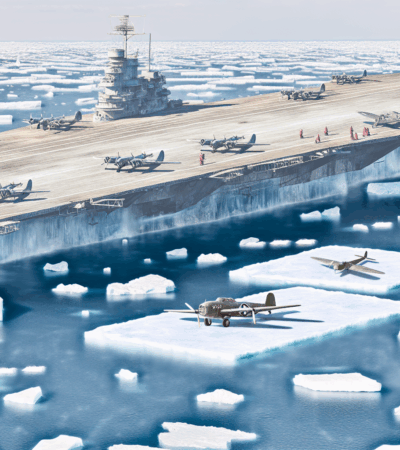
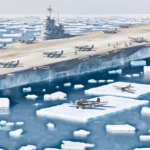
In the winter of the Battle of the Atlantic, the ocean was a killing ground. Convoys crept through darkness while German U-boats hunted by sound and silhouette. Britain needed air cover far beyond the reach of land-based aircraft—and it needed it fast. Out of that pressure came a proposal so strange it sounded like myth:
Read More
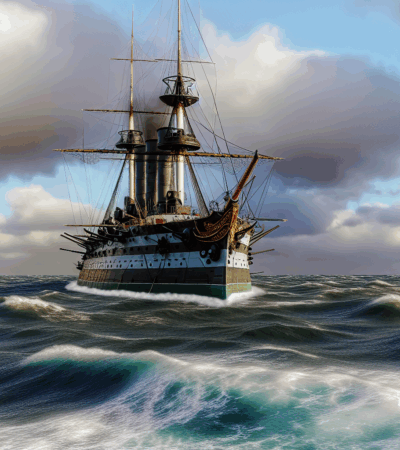
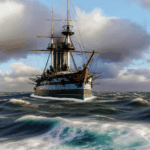
In the gray churn of the North Sea, the line between engineering triumph and catastrophe could be a heartbeat. On the morning of June 2, 1891, aboard Britain’s newest battleship, the air filled with cordite smoke and shouted orders. Then, as the big guns fired, the ship seemed to betray itself. Within minutes, HMS Victoria
Read More
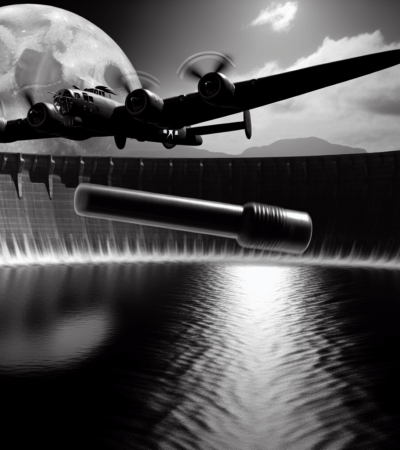
Night presses down on the North Sea, broken only by the steady pulse of engines and the occasional flare of moonlight on black water. At low altitude, Avro Lancaster bombers skim toward the heart of Germany’s industrial web. Inside one aircraft, a weapon unlike any fielded before begins to spin—an ungainly cylinder meant to skip
Read More
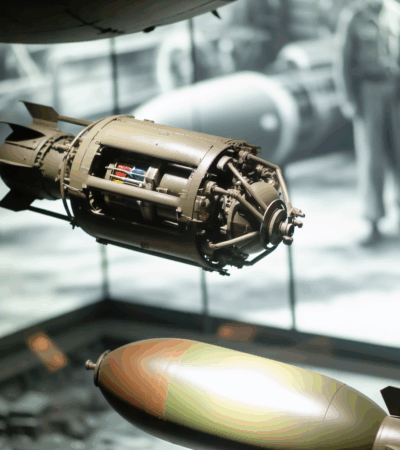
Here’s what you need to know about one of the strangest weapons of the Second World War: bombs that floated on fire. These were not science fiction, but real devices that drifted on water or wind, carrying flames and explosives onto enemy targets. Let’s explore how they worked, who used them, and why they ultimately
Read More